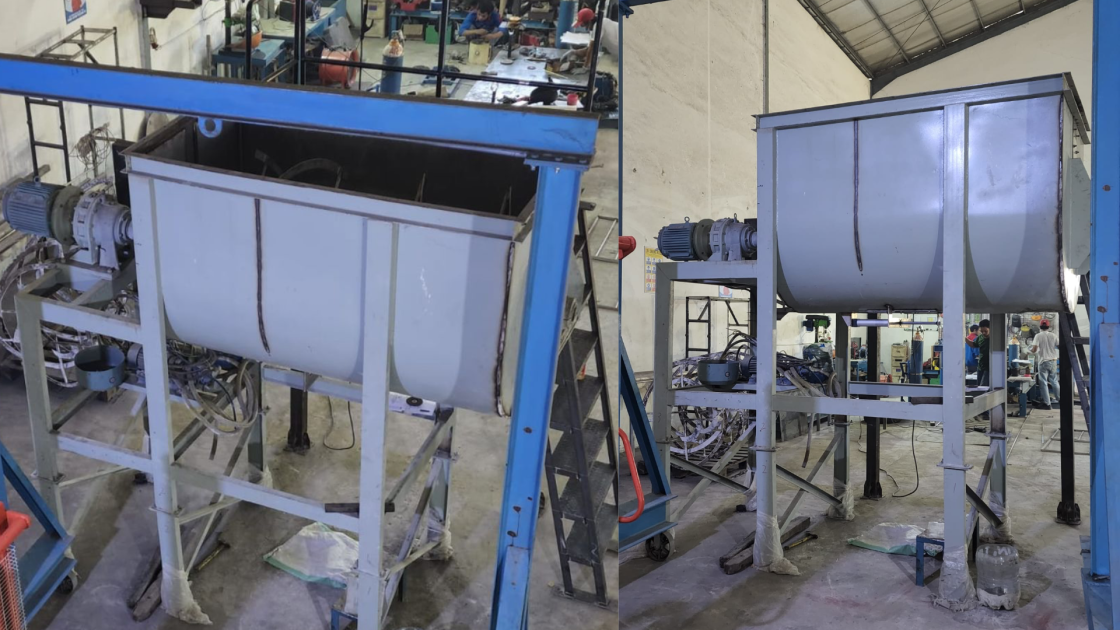
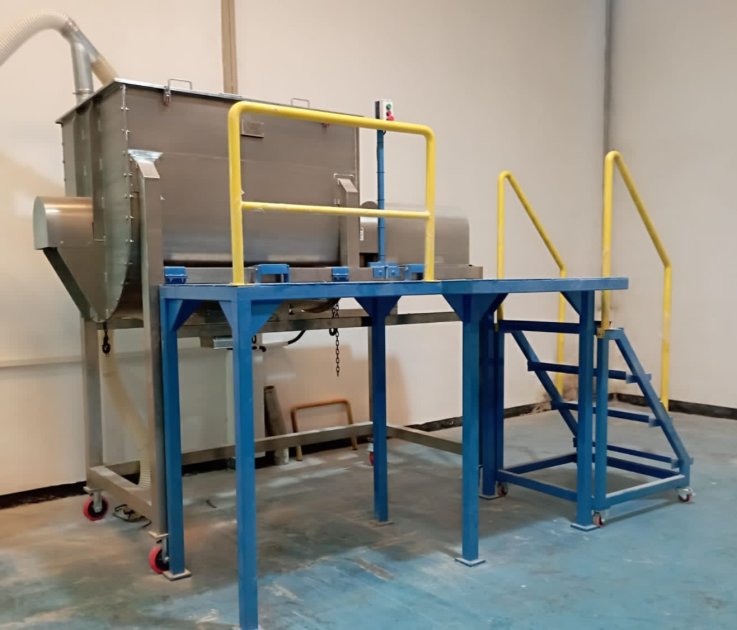
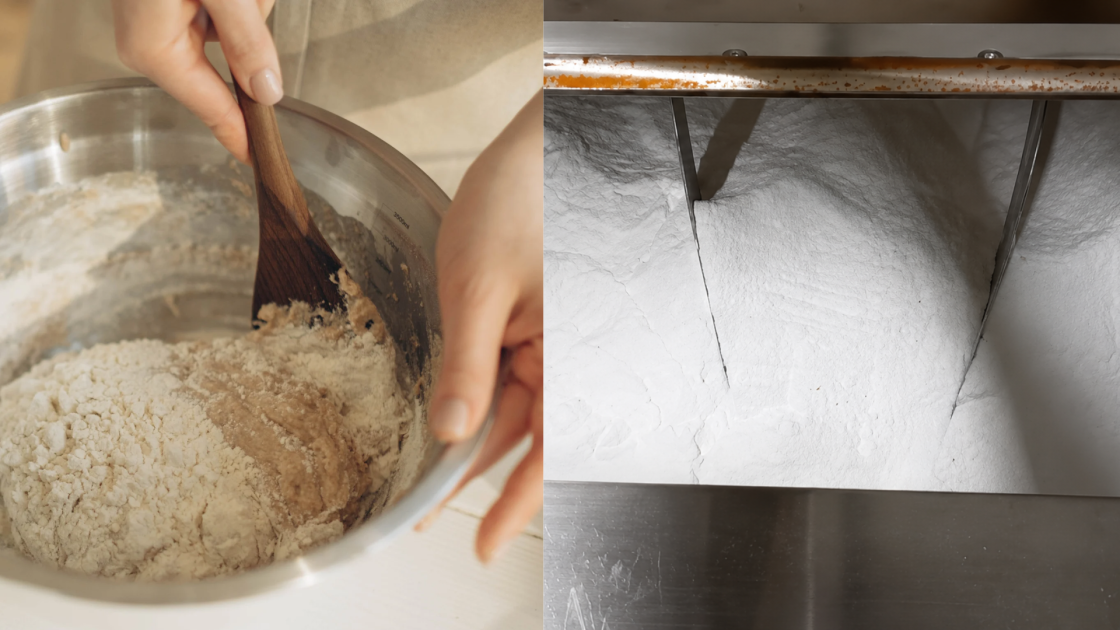
Layout Pabrik dan Desain Mesin Mixing untuk Produksi
Ingin meningkatkan kapasitas produksi? Pelajari cara mengoptimalkan layout pabrik, mengukur ruang produksi, dan menyesuaikan desain mesin mixing dengan kondisi pabrik existing.
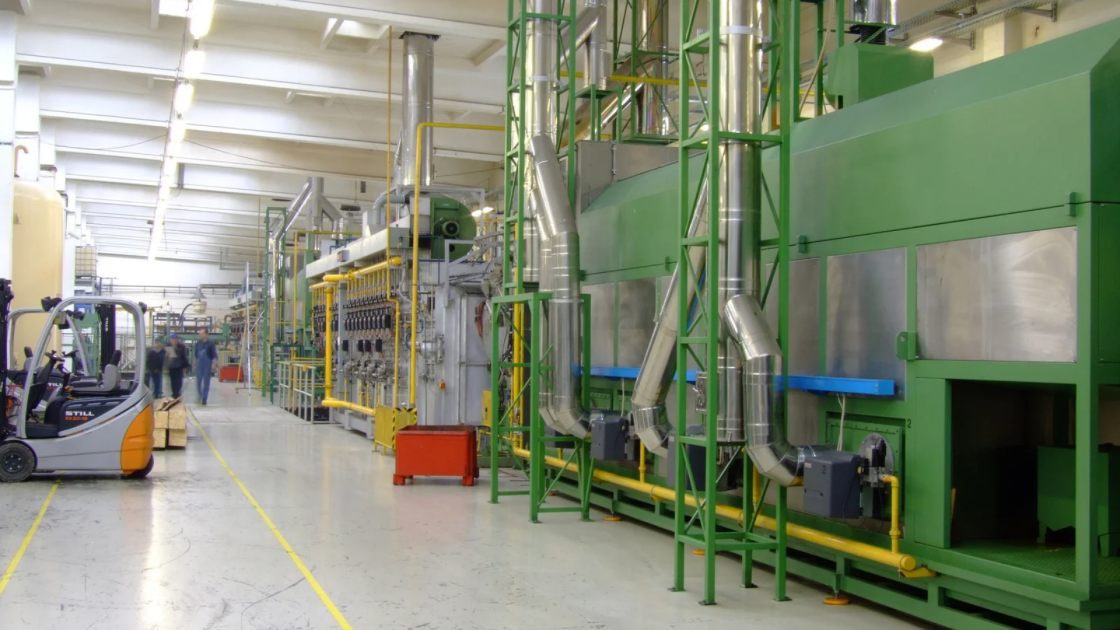
The Overlooked Factor in Production Expansion: Factory Space and Layout
When planning to increase production capacity, many manufacturers focus on upgrading machinery, increasing mixing capacity, or installing additional equipment.
However, one important factor is often overlooked: the available factory space and existing production layout.
Based on our experience in industrial mixing equipment and custom engineering, selecting the right machine is only part of the solution. The factory environment itself can determine whether new equipment can be installed efficiently and integrated into the existing production process.
For manufacturers operating in established facilities, the challenge is not always finding a bigger machine. Sometimes, it is finding a machine design that works within the space available.
1. How Can Factory Space Limit Production Capacity?
An existing factory may have limitations that are not immediately obvious during the initial planning stage.
For example, a manufacturer may want to replace a small mixing tank with a larger-capacity tank. The proposed equipment may meet all the process requirements, but the installation could become difficult because of limited ceiling height, narrow access doors, structural columns, or existing partitions.
Other common constraints include:
Limited floor space: Insufficient room for additional tanks, mixers, pumps, and supporting equipment.
Low ceiling height: Restrictions on the overall machine height, lifting mechanisms, or equipment assembly.
Narrow access routes: Difficulty moving large equipment through doors, corridors, or between production areas.
Too many partitions: Physical barriers that restrict material transfer or interrupt the production flow.
Existing equipment positioning: Current machines may limit the available space for new installations, maintenance, and operator access.
Piping and utility constraints: Existing connections may affect the positioning of tanks, pumps, and mixing equipment.
These conditions can create additional installation work, complicate material handling, and limit future production expansion if they are not considered early.
2. Why Factory Layout Planning Matters Before Buying a New Mixer
Increasing mixing capacity involves more than increasing the tank volume or selecting a motor with higher power.
The entire production process must be considered, from raw material storage and transfer to mixing, discharge, and the next processing stage.
A larger mixing tank, for example, may require additional floor space, greater installation clearance, suitable access for maintenance, and modifications to the piping arrangement.
If these requirements are not evaluated beforehand, the new equipment may fit the process specifications but fail to integrate smoothly into the existing facility.
Factory layout planning helps ensure that equipment design, installation requirements, and production flow are considered together.
For manufacturers who cannot substantially modify their existing buildings, this evaluation becomes even more important.
3. Can Industrial Mixing Equipment Be Customized for an Existing Factory?
Yes. Depending on the process requirements and site limitations, industrial mixing equipment can often be designed or configured to suit an existing production area.
At PT Rho Sigma Trijaya (RST), our approach to custom mixing equipment begins with understanding the customer's production requirements and actual site conditions.
Potential engineering considerations include:
Machine dimensions and configuration
The tank diameter, overall height, support structure, and mixer configuration may be evaluated to suit the available installation space while meeting process requirements.
Installation and maintenance access
The design must consider how the equipment will be delivered, positioned, assembled, operated, and maintained.
Material transfer and piping
Connections between raw material tanks, pumps, existing mixers, and new equipment should be evaluated to support the intended production flow.
Integration with existing equipment
Where practical, new equipment can be planned around existing tanks, mixers, and other production systems rather than requiring a complete production-line replacement.
Future production requirements
If production capacity is expected to increase further, the layout and equipment configuration should also consider potential future expansion.
Customization does not mean every machine can fit into every space. Process requirements, structural conditions, access, safety, and maintenance clearances must still be evaluated before a design is finalized.
4. What Should Be Measured During a Factory Site Visit?
Before deciding on the right mixing equipment, several dimensions and site conditions should be assessed.
| Area to evaluate | What to check |
|---|---|
| Available floor space | Length, width, usable installation area, and floor obstructions |
| Ceiling height | Available vertical clearance and lifting or assembly requirements |
| Access routes | Door dimensions, corridor width, turning space, and equipment delivery route |
| Existing layout | Partitions, columns, current machinery, and operator working areas |
| Material flow | Raw material storage, transfer points, mixing stages, and discharge locations |
| Piping and utilities | Existing connections, pipe routes, electrical supply, and other required utilities |
| Installation requirements | Equipment positioning, assembly access, maintenance clearance, and floor capacity |
Measurements should be supported by site photographs, a layout drawing where available, and discussions with the production or engineering team.
Where necessary, structural capacity, lifting arrangements, and other installation constraints should be verified by the appropriate technical personnel.
This information provides a more reliable basis for developing an equipment proposal and identifying potential installation challenges before fabrication begins.
5. An Example: Increasing Mixing Capacity in an Existing Production Area
Consider a manufacturer planning to increase its mixing capacity by installing a larger mixing tank alongside an existing mixer.
The initial requirement may appear straightforward: provide a larger tank and connect it to the production process.
However, a site assessment may reveal several additional considerations:
The available space does not accommodate the proposed tank diameter.
Existing partitions restrict the movement of raw materials between production stages.
The tank location affects the piping route between storage, pumping, and mixing equipment.
The delivery route limits the dimensions of equipment that can be brought into the building.
Operators need sufficient access for cleaning, inspection, and maintenance.
In this situation, the solution should not be based on tank capacity alone.
The engineering team may need to evaluate alternative tank dimensions, equipment positioning, piping arrangements, or the feasibility of modifying selected parts of the existing layout.
The final solution depends on the actual site measurements and process requirements.
The objective is to improve production capacity without overlooking the practical realities of the factory.
6. How RST Can Help With Factory Layout and Custom Mixing Equipment
PT Rho Sigma Trijaya (RST) provides custom industrial mixing equipment and process equipment solutions for manufacturers with different production requirements.
Our equipment range includes high-speed dispersers, industrial mixers, mixing tanks, double-jacket tanks, and other customized fabrication solutions.
For projects involving an existing factory, we can arrange a site visit to understand the production process, assess available space, and discuss the engineering considerations involved in installing new equipment.
Depending on the project scope, the assessment can help identify:
Suitable equipment dimensions and configuration.
Potential installation and access constraints.
Integration requirements for existing equipment.
Piping and material transfer considerations.
Practical options for increasing mixing capacity.
The purpose of the visit is to develop a better understanding of the customer's actual requirements before recommending an appropriate solution.
A complete proposal can then be developed based on the agreed scope, technical requirements, and site conditions.
Frequently Asked Questions
Can I install a larger mixing tank in an existing factory?
In many cases, yes. However, feasibility depends on available floor space, ceiling height, access routes, floor capacity, process requirements, and installation clearances. A site assessment helps determine suitable equipment dimensions and configuration.
What if my factory has too many partitions or a limited production area?
The existing layout should be evaluated to identify which constraints affect material movement, equipment installation, and production flow. Depending on the situation, options may include repositioning equipment, adjusting the piping arrangement, redesigning the machine configuration, or assessing whether selected layout modifications are practical.
Should I measure the factory before ordering a custom mixer?
Yes. Measuring the installation area and access route before finalizing the equipment design can help identify potential conflicts and reduce avoidable installation problems.
Can RST help assess an existing production area before recommending a mixer?
Yes. RST can arrange a factory site visit to discuss production requirements, review the available space, and explore possible equipment and engineering solutions. The recommended approach depends on the actual site conditions and project scope.
Planning to Increase Your Production Capacity?
Before investing in a larger mixer or additional tanks, take the time to evaluate the space where the equipment will operate.
The right solution should consider not only mixing performance and equipment specifications, but also installation feasibility, material flow, maintenance access, and the limitations of your existing facility.
At RST, we believe the best equipment solution starts with understanding your production process and your factory.
Contact our team to discuss your requirements and arrange a factory site visit.
PT Rho Sigma Trijaya (RST)
Website: https://www.rhosigmatrijaya.co.id
Email: sales1@rhosigmatrijaya.co.id
Industrial Mixing Solutions | Custom Mixers | Mixing Tanks | Process Equipment