Apa Itu ISO? Manfaat ISO 9001 dan ISO 45001
Apa itu ISO, manfaat ISO, ISO 9001:2015, ISO 45001:2018, ISO perusahaan manufaktur.
What Is ISO? Benefits, ISO 9001 and ISO 45001 for Manufacturing Industries
ISO standards play an important role in helping organizations improve quality, maintain consistent processes, manage operational risks, and promote workplace safety. Across the manufacturing industry, ISO standards provide internationally recognized frameworks that help businesses establish structured management systems and meet customer requirements.
But what exactly is ISO? Why is ISO important for manufacturing companies, and what is the difference between ISO 9001 and ISO 45001?
This article explains the meaning of ISO, its key benefits, and the importance of ISO management systems in manufacturing, engineering, and industrial operations.
What Is ISO?
ISO stands for the International Organization for Standardization, an independent international organization that develops and publishes standards covering a wide range of industries and business activities.
ISO standards help organizations establish consistent processes, manage risks, meet applicable requirements, and continuously improve their operations.
These standards are used by organizations of different sizes and across various sectors, including manufacturing, engineering, construction, healthcare, food production, and information technology.
Some ISO standards focus on management systems, such as ISO 9001 for quality management and ISO 45001 for occupational health and safety management.
Implementing an ISO management system helps organizations establish a structured approach to managing business processes, responsibilities, performance, and improvement initiatives.
Why Is ISO Important for Manufacturing Companies?
Manufacturing companies must manage multiple activities simultaneously, including product specifications, raw materials, production processes, equipment, workforce safety, quality inspections, and customer requirements.
An effective ISO management system provides a framework for managing these activities systematically.
The key benefits of ISO implementation include the following.
1. Improved Product and Service Quality
A quality management system helps organizations define processes, establish quality controls, identify nonconformities, and evaluate operational performance.
This structured approach supports consistent product and service delivery while helping organizations meet customer requirements.
2. Greater Operational Efficiency
Clearly defined processes, responsibilities, and documented procedures can help reduce errors, unnecessary rework, and inconsistencies in daily operations.
Over time, process evaluation and improvement can contribute to better resource utilization and operational efficiency.
3. Increased Customer Confidence
Customers often evaluate suppliers based on their technical capabilities, quality controls, reliability, and ability to meet project requirements.
An established ISO management system can provide additional confidence that a company manages its processes through a structured and systematic approach.
This is particularly relevant in business-to-business (B2B) relationships, where supplier performance and consistency are important considerations.
4. Better Workplace Safety and Risk Management
Occupational health and safety management helps organizations identify workplace hazards, assess risks, and implement appropriate control measures.
This is especially important in manufacturing environments involving welding, machining, material handling, lifting operations, and industrial equipment.
5. Continuous Improvement
ISO management systems encourage organizations to monitor performance, evaluate results, address problems, and implement corrective actions.
This continuous improvement approach helps businesses adapt to changing operational requirements and improve management effectiveness over time.
Types of ISO Standards Relevant to Manufacturing
ISO publishes standards for different management and technical purposes. The appropriate standard depends on an organization's activities, risks, customer requirements, and business objectives.
Several standards relevant to manufacturing and industrial businesses include:
ISO 9001 – Quality Management System: Focuses on process consistency, customer requirements, and quality management.
ISO 45001 – Occupational Health and Safety Management System: Focuses on preventing work-related injuries and ill health and managing occupational health and safety risks.
ISO 14001 – Environmental Management System: Helps organizations manage environmental aspects and improve environmental performance.
ISO/IEC 27001 – Information Security Management System: Focuses on managing information security risks.
Each standard has its own scope and requirements. Organizations can select the standards that are most relevant to their operational needs rather than implementing every available ISO standard.
What Is ISO 9001:2015?
ISO 9001:2015 is an international standard for a Quality Management System (QMS).
It provides a framework for organizations to manage their processes, meet customer and applicable regulatory requirements, and improve customer satisfaction through an effective quality management system.
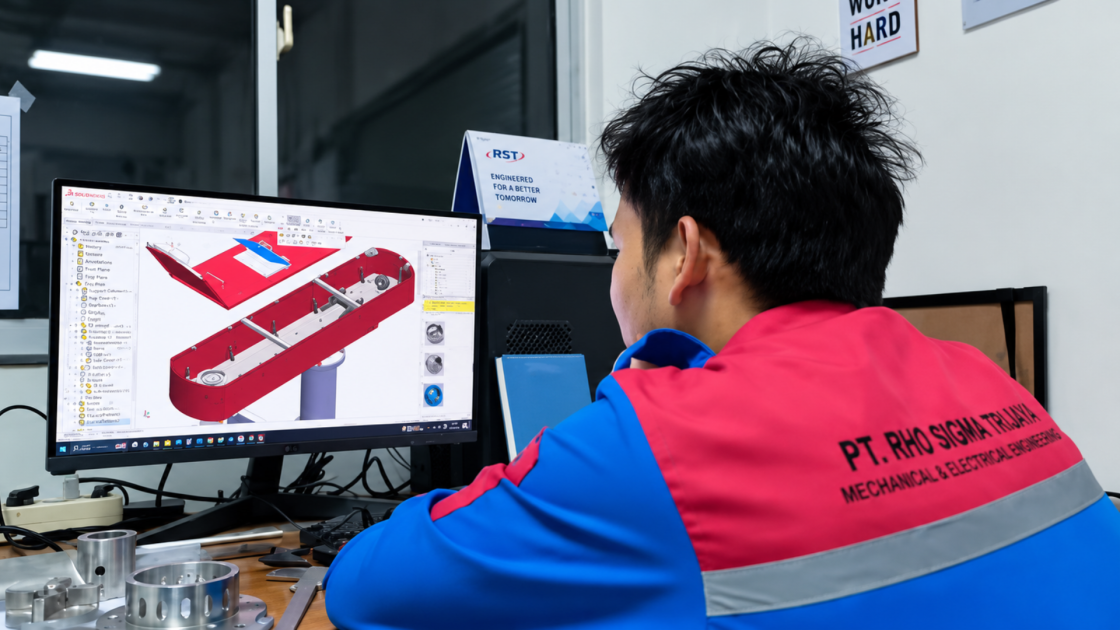
In manufacturing, ISO 9001:2015 can support quality management throughout activities such as customer requirement reviews, engineering design, material procurement, production, assembly, inspection, and delivery.
Key areas addressed by ISO 9001:2015 include:
Process management and documented information.
Defined roles, responsibilities, and authorities.
Risk-based thinking and the identification of opportunities.
Control of nonconforming outputs.
Performance monitoring and customer satisfaction evaluation.
Corrective actions and continual improvement.
ISO 9001:2015 does not prescribe a single production method for every manufacturer. Instead, it provides a management framework that organizations can adapt to their products, processes, and operational requirements.
For manufacturers of industrial machinery, mixing equipment, and stainless steel tanks, a quality management system can support structured control of engineering activities, production processes, inspections, and customer requirements.
What Is ISO 45001:2018?
ISO 45001:2018 is an international standard for an Occupational Health and Safety Management System (OH&S MS).
Its primary purpose is to help organizations provide safe and healthy workplaces by preventing work-related injuries and ill health and proactively managing occupational health and safety risks.
The standard is relevant to many sectors, including manufacturing, construction, engineering, warehousing, and industrial maintenance.
In manufacturing environments, potential workplace hazards may arise from welding, cutting, machining, lifting operations, electrical work, equipment operation, and material handling.
ISO 45001:2018 supports a systematic approach to occupational health and safety through activities such as:
Identifying workplace hazards and assessing OH&S risks.
Implementing appropriate risk control measures.
Improving worker awareness and participation.
Establishing relevant safe work procedures.
Evaluating incidents and implementing corrective actions.
Monitoring safety performance and pursuing continual improvement.
Implementing ISO 45001 helps organizations manage workplace safety more systematically. However, effective implementation also requires consistent operational controls, worker competence, supervision, and compliance with applicable legal requirements.
What Is the Difference Between ISO 9001 and ISO 45001?
ISO 9001 and ISO 45001 are both management system standards, but they address different organizational priorities.
| Aspect | ISO 9001:2015 | ISO 45001:2018 |
|---|---|---|
| Main focus | Quality management | Occupational health and safety |
| Primary objective | Consistently meeting customer requirements and improving quality management | Preventing work-related injuries and ill health |
| Key considerations | Processes, quality, nonconformities, and customer satisfaction | Workplace hazards, OH&S risks, and safety controls |
| Manufacturing applications | Engineering, production, inspection, and service processes | Welding, machining, lifting, assembly, and other work activities |
| Expected benefits | More consistent processes and improved quality management | Better OH&S risk management and a safer working environment |
These two standards can be implemented together because they complement each other. ISO 9001 focuses on quality management, while ISO 45001 focuses on workplace health and safety.
Together, they can help organizations develop a more comprehensive approach to operational control, risk management, and continual improvement.
How Is ISO Implemented in Manufacturing?
ISO implementation involves more than preparing documentation or obtaining a certificate. A management system must be integrated into daily operations, monitored, evaluated, and improved.
In manufacturing organizations, implementation generally involves several key activities.
1. Planning
The organization identifies customer requirements, operational objectives, responsibilities, resources, and relevant risks.
2. Operational control
Work activities are performed using appropriate processes, procedures, and controls based on the organization's operations and applicable requirements.
3. Monitoring and inspection
Process performance and work results are evaluated against established criteria.
4. Corrective action
Nonconformities, incidents, and process weaknesses are investigated and addressed through appropriate corrective actions.
5. Performance evaluation and improvement
Management reviews performance information and identifies opportunities to improve the effectiveness of the management system.
This systematic approach helps organizations strengthen accountability, process consistency, risk management, and continuous improvement.
Does ISO Certification Guarantee Product Quality?
ISO certification for a management system indicates that the system has been assessed against the requirements of a specified standard within its certified scope.
However, ISO 9001 certification does not automatically guarantee that every product is defect-free or complies with every technical specification. Similarly, ISO 45001 certification does not guarantee that workplace accidents will never occur.
Product conformity must still be evaluated against applicable technical standards, contractual requirements, customer specifications, and relevant inspection results.
Workplace safety also requires consistent implementation of risk controls, effective supervision, employee participation, and ongoing performance evaluation.
ISO should therefore be understood as a framework for managing organizational processes and supporting consistent, responsible business operations.
ISO Management Systems at PT Rho Sigma Trijaya
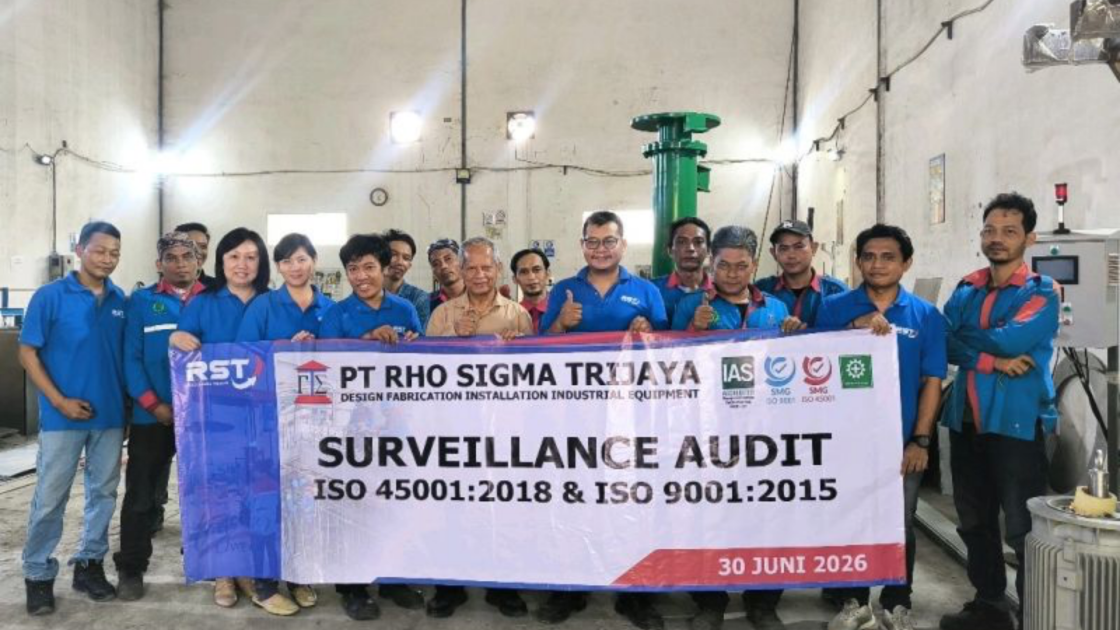
As a mechanical engineering and industrial equipment manufacturing company, PT Rho Sigma Trijaya (RST) recognizes the importance of quality management and occupational health and safety in industrial operations.
RST implements two management system standards:
ISO 9001:2015 – Quality Management System, supporting a structured approach to quality management and process improvement.
ISO 45001:2018 – Occupational Health and Safety Management System, supporting systematic management of workplace health and safety risks.
These management systems form part of RST's commitment to quality, operational discipline, workplace safety, and continual improvement.
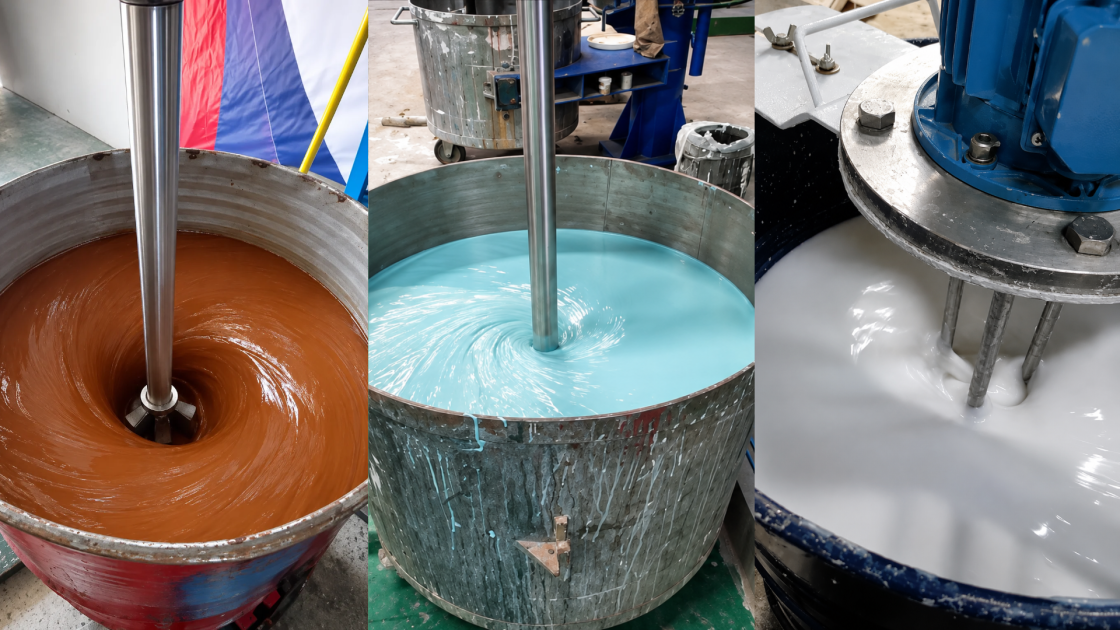
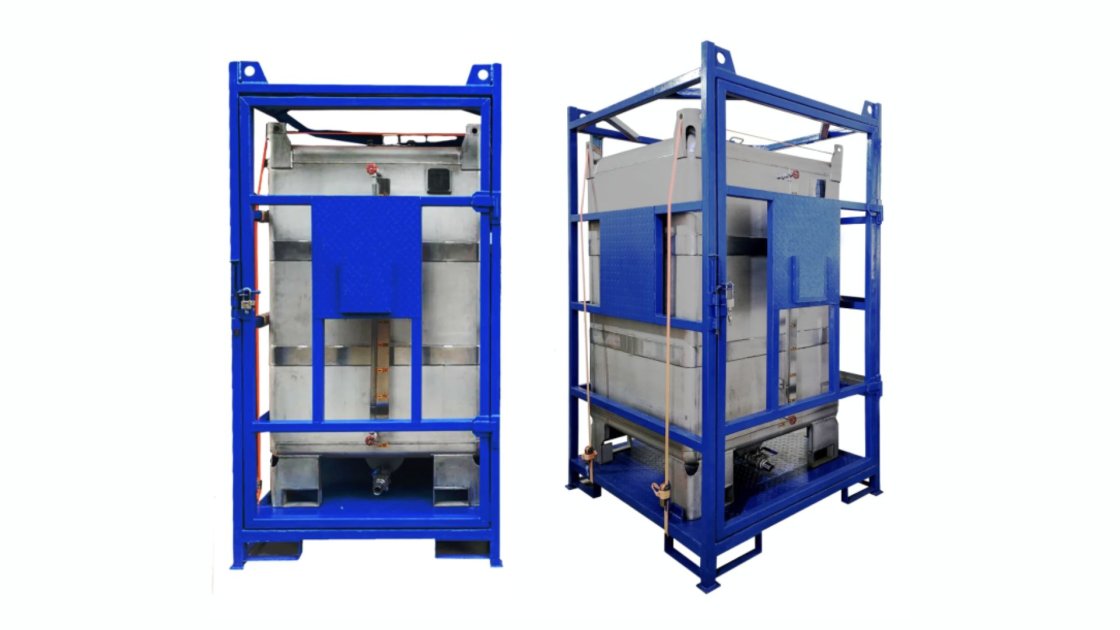
RST specializes in engineering, fabrication, and installation of industrial mixing and material handling equipment, including:
High Speed Dispersers.
Ribbon Mixers.
Screw Conveyors.
Industrial Mixing Tanks.
Double Jacket Tanks.
Custom stainless steel tanks and industrial equipment.
RST serves a range of industrial applications, including paint, ink, chemical, adhesive, food and beverage, and other process industries.
By integrating engineering capabilities with quality and occupational health and safety management systems, PT Rho Sigma Trijaya aims to provide professional and reliable industrial engineering solutions tailored to customer requirements.
PT Rho Sigma Trijaya – Engineering Solutions Built on Quality and Safety.
For inquiries about industrial mixing equipment, stainless steel tanks, or custom engineering and fabrication solutions, visit https://www.rhosigmatrijaya.co.id or contact sales1@rhosigmatrijaya.co.id.